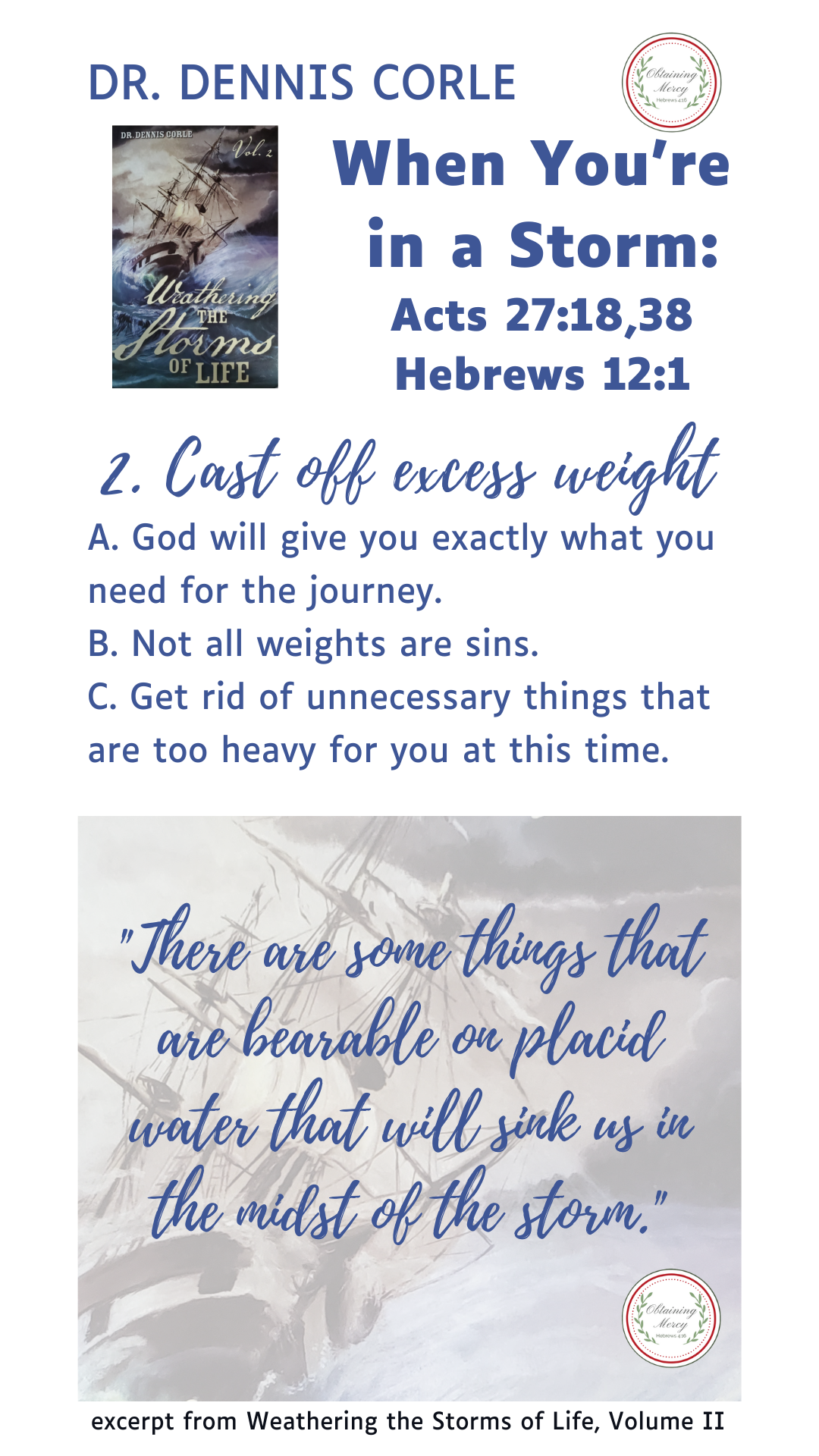
When You Are In a Storm, Part 2
Hebrews 11:13-16
Right now, our entire croft is a sea of green. Everything is growing and the garden is full of life and beauty. This is the prime time for growth here in Florida, when the rainy season begins and all the plants start to do really well.
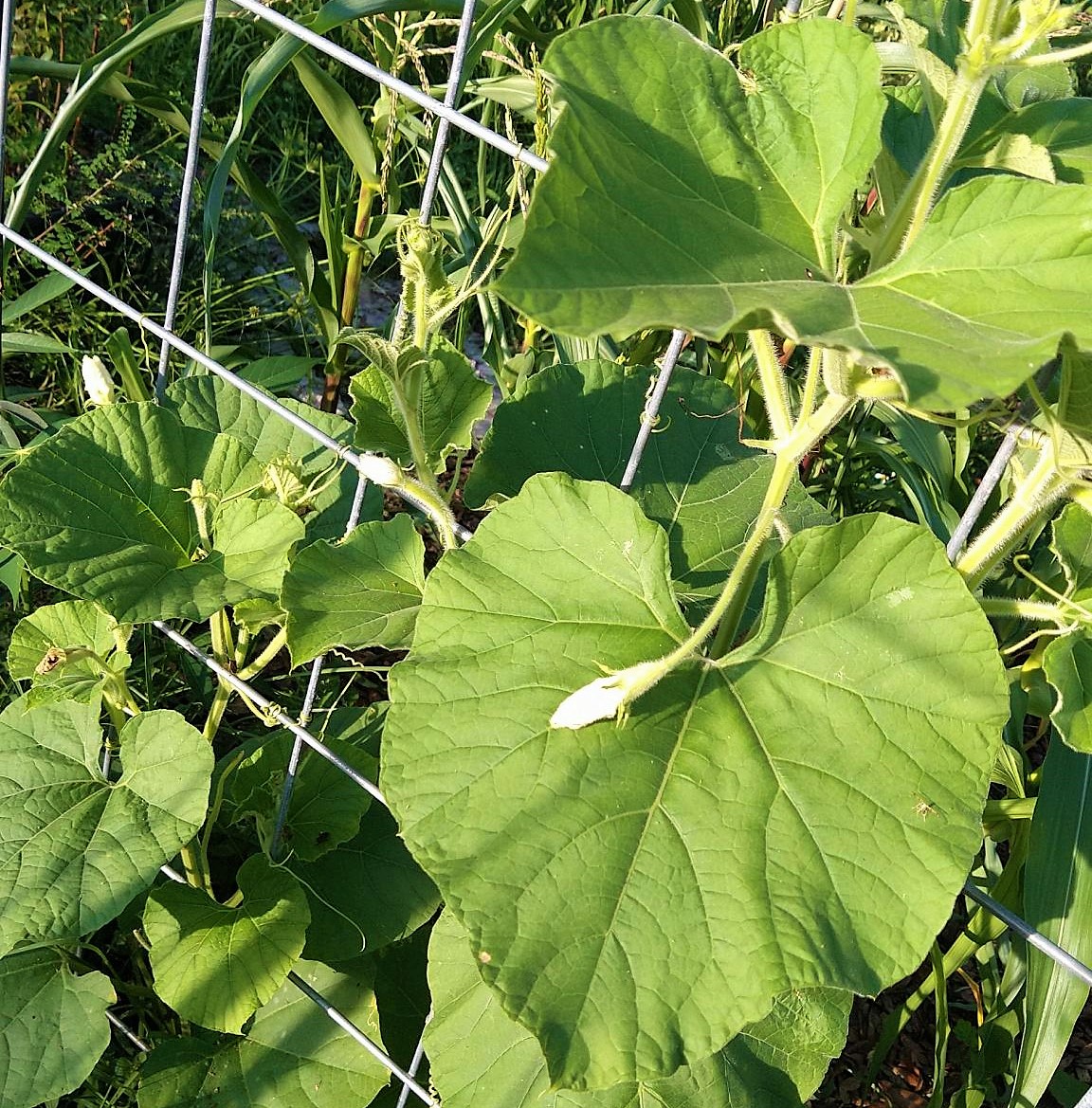
However, if you know how to read the subtle signs, you’ll also see that the heat is beginning to get the best of some of the plants, they are getting brown leaf-edges and their leaves are curling in response to the near-100* temperatures that they’re enduring. In the deep South, death often comes right on the heels of life in the croft.

We see this process even in the early spring as we start sowing seeds. We drop each little seed down into the soil and wait for it to die. It literally cracks wide open in death as life emerges from the seed pod.
Life to Death to Life to Death.
This is the cycle of the garden croft. It is unavoidable.
As I’ve watched this cycle run its course in our organic garden these last several months, I’ve noticed something.
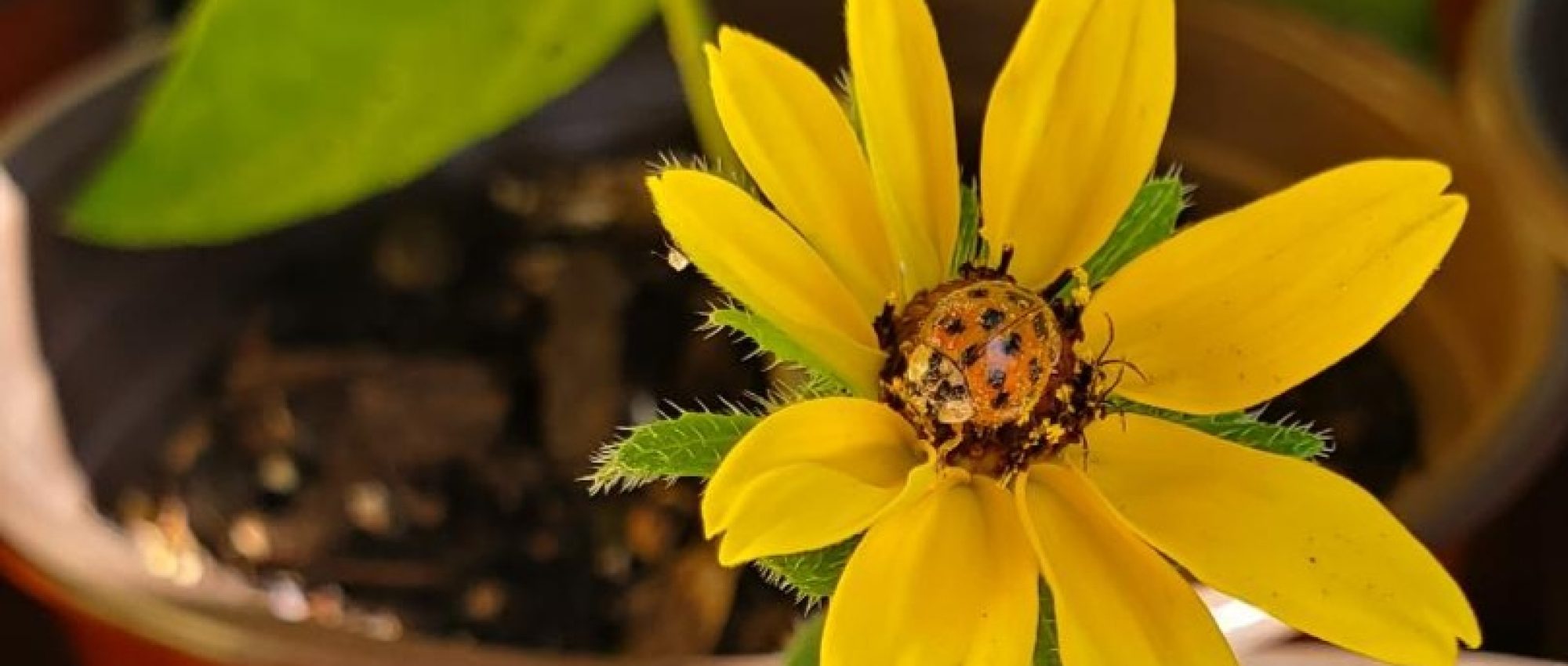
The closer a plant is to dying, the harder it works. It puts out more fruit. It goes to seed. It does everything it can to duplicate itself before its season of growing is finished.
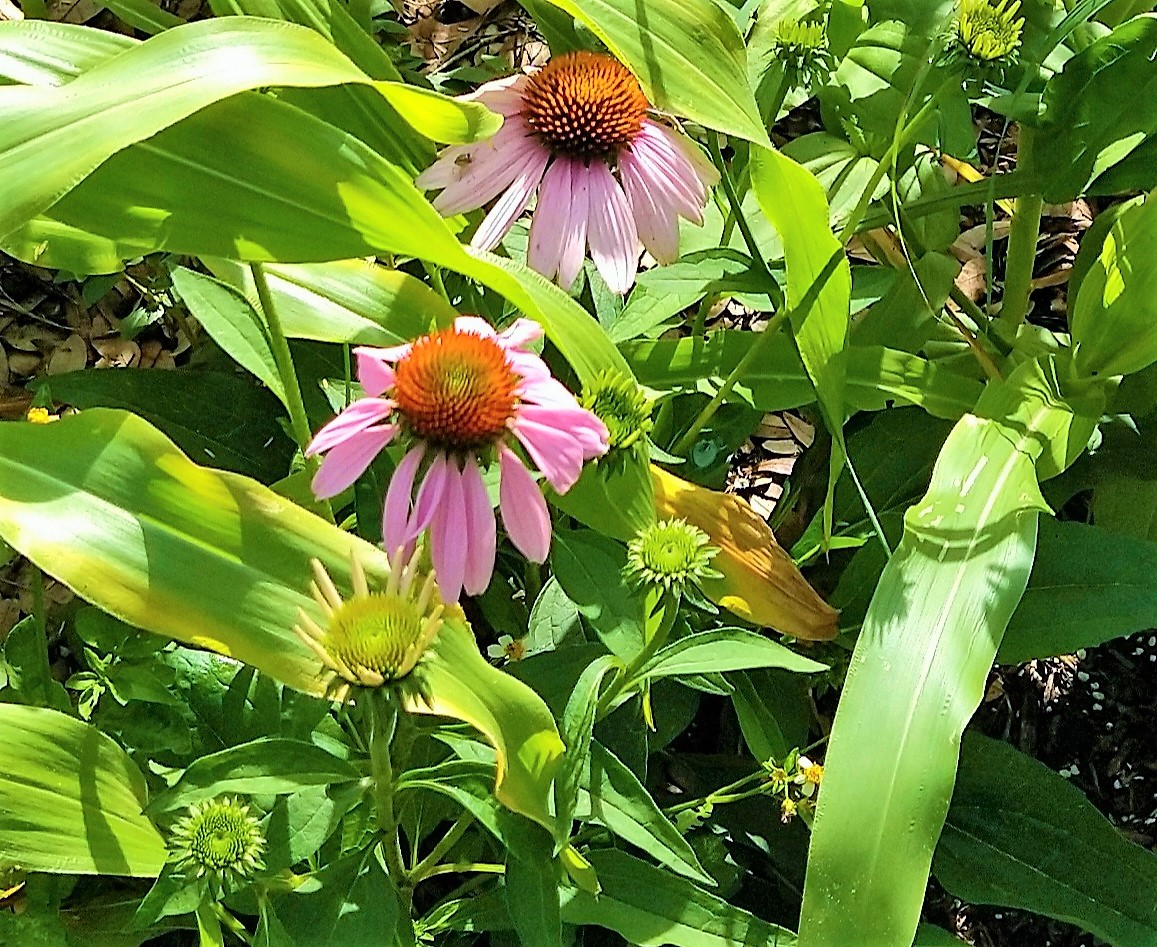
Maybe you feel like your season of blooming is over. You’re weary of the passing of the seasons and you feel it’s time for other plants to take over and flourish in your area.
If that’s the case, I encourage you to do everything you can to duplicate yourself. Witness. Share the Word. Give your testimony. Talk about God’s work in your life. Invite people to church with you. Help someone who is struggling to see how God met your need. Write down your memoirs. Tell your friends your story of how God rescued you from sin.
Even an aging plant has a purpose in the garden. It’s how the seeds are created for the new life that is to come.
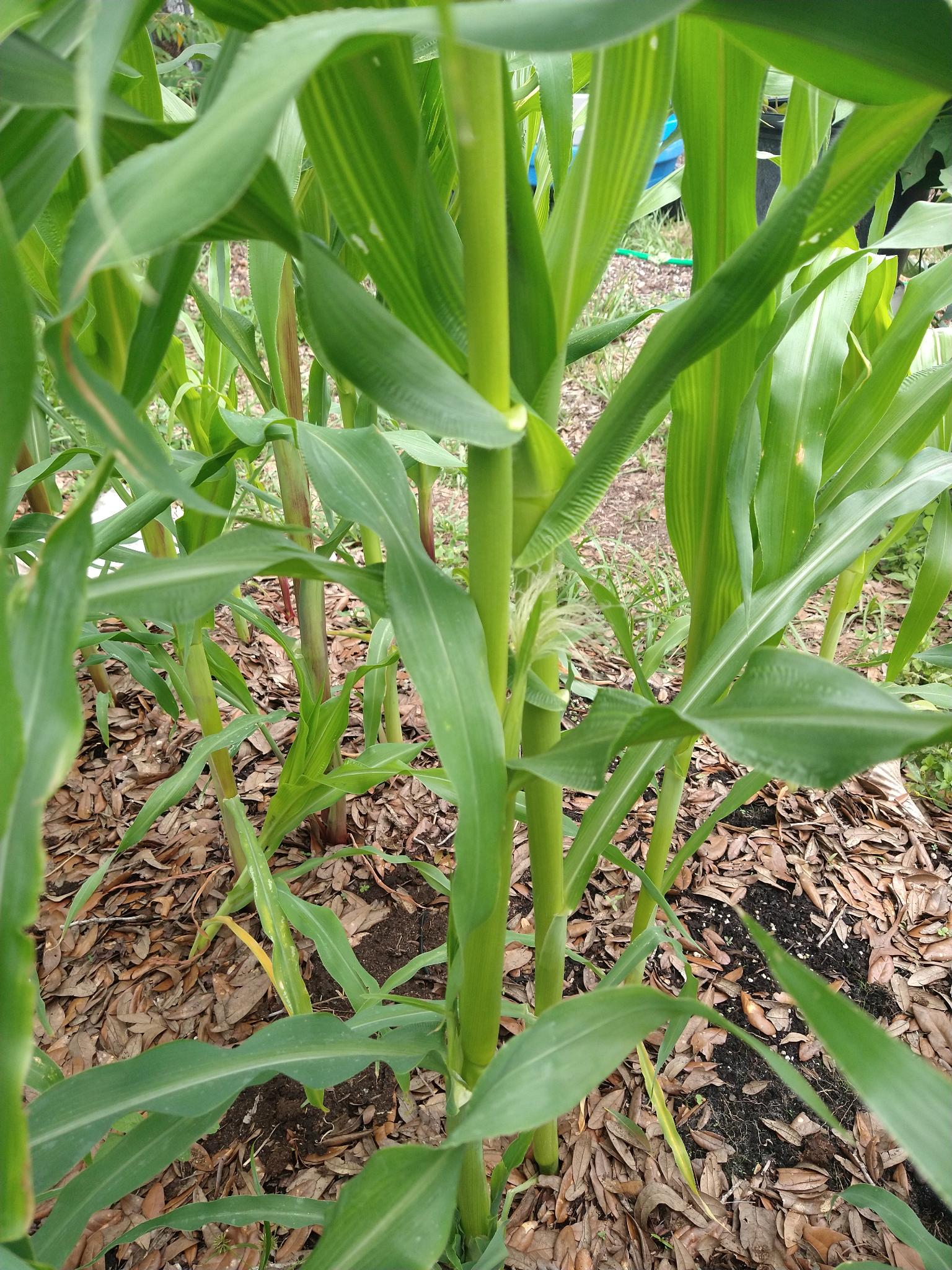
And, come to think of it, even in death, a plant can continue to benefit the garden. Most crofters today use dead plant material in their compost bins, or they just chop and drop the dying plant material right there in the bed to continue to nurture the soil as it decomposes.
These all died in faith, not having received the promises, but having seen them afar off, and were persuaded of them, and embraced them, and confessed that they were strangers and pilgrims on the earth.
Hebrews 11:13-16
For they that say such things declare plainly that they seek a country.
And truly, if they had been mindful of that country from whence they came out, they might have had opportunity to have returned.
But now they desire a better country, that is, an heavenly: wherefore God is not ashamed to be called their God: for he hath prepared for them a city.
Our entire Christian life – from second birth to death – has a purpose larger than ourselves. The beauty and life that we bring, the fruit we bear, the seeds we sow, the testimony of our life for Christ continues long after we are gone.
The souls we led to Christ go on to bring other people to Him. The stories of our testimony encourage and comfort others.
Your life in the garden is vital. Make sure yours tells the story of your great Saviour.
Alive in the Croft,
Alesha Kay

Dirt is an important subject for the crofter. While most seeds can sprout with just water and light as a catalyst, it takes more than that to encourage good growth for the plant and its roots.
A plant needs to be in good dirt. Or better said, in good soil. There’s actually a great deal of controversy today over the use of the terms “dirt” and “soil”. One is deemed to be “dead” and the other “living.”
So, what makes good “soil”?
Basically, it’s the individual components that make up a good soil.

The term “organic” is used for the part of soil that comes from living things. Those living things are bacteria (single-celled microbes), fungi (spore-producing organisms), protozoa (single-celled animals) and nematodes (worms).
The three main nutrients in soil are nitrogen (N), phosphorus (P) and potassium (K). Together they make up the trio known as NPK. These are the numbers that you see on bags of fertilizer, such as 10-10-10. Those numbers tell you how much nitrogen, phosphorus and potassium are in that fertilizer. And always in that order, just so you know. 😉
But there are so many other nutrients in good soil, as well. Just in much smaller ratios. These include iron, manganese, zinc, copper, boron and molybdenum.
Air and water are equally important to soil. Soil must be soft enough that the organisms living in it can move around freely. When they do that, they break up the soil, allowing air and water to move through it.
In the Gospels we find Jesus using a parable about a sower (gardener). He talks about what happens when the seed lands in good soil.
But that on the good ground are they, which in an honest and good heart, having heard the word, keep it, and bring forth fruit with patience.
Luke 8:15
I think we can break down the good soil of a heart just like the good soil in a garden:

We must have the “organic” life in our heart, too; and that comes from salvation. That moment when we yield our heart to Jesus and accept His payment for our sins. That is when we come alive!
Then we must have the teaching of Scripture in order to grow well. The doctrines and stories of the Bible give us all the “nutrients” our heart and mind need in order to live well.
We rely on the “air” of the Trinity, the Holy Spirit, to guide us day by day. In all area of our lives, He is intertwined, and He breathes into us the answers that we need for everyday living.
Lastly, we must have the daily washing of the Water of the Word (the Bible) in order to grow as a Christian. Without it, our souls will shrivel up in anger, bitterness, selfishness, greed and lust. Only by daily cleansing can we grow to be like Christ.
Our amazing Master Gardener set all of these things into play when He planted that first garden in Eden. He knew that man would sin, and that not only would the soil be cursed, but also that OUR SOULS would die.
So He provided the perfect combination of forgiveness and salvation by His death, burial and resurrection.
Now, I’m wondering, have you had that spark of LIFE in your soul? If not, why not? Life can only be lived well when we are ALIVE in Christ!
If you have any questions about how to find that new life in Christ, just let me know. I’d be happy to help.
In His Life,
Alesha Kay
When God planted the garden of Eden, He provided something that is still very important to every garden today. He provided a source of water.
And a river went out of Eden to water the garden…
Genesis 2:10

God provided a constant source of water for everything planted there in Eden. Water is crucial for all garden life.
Scripture tells us that Water is crucial for all spiritual life, too.
For as the rain cometh down, and the snow from heaven, and returneth not thither, but watereth the earth, and maketh it bring forth and bud, that it may give seed to the sower, and bread to the eater:
Isaiah 55:10-11
So shall my word be that goeth forth out of my mouth: it shall not return unto me void, but it shall accomplish that which I please, and it shall prosper in the thing whereto I sent it.
The Word of God is our source of spiritual Water:
The gardening experts tell us the best time to water the garden is in the morning, before the heat of the day exhausts the plants and before the pests wake up to do their damage in the croft.
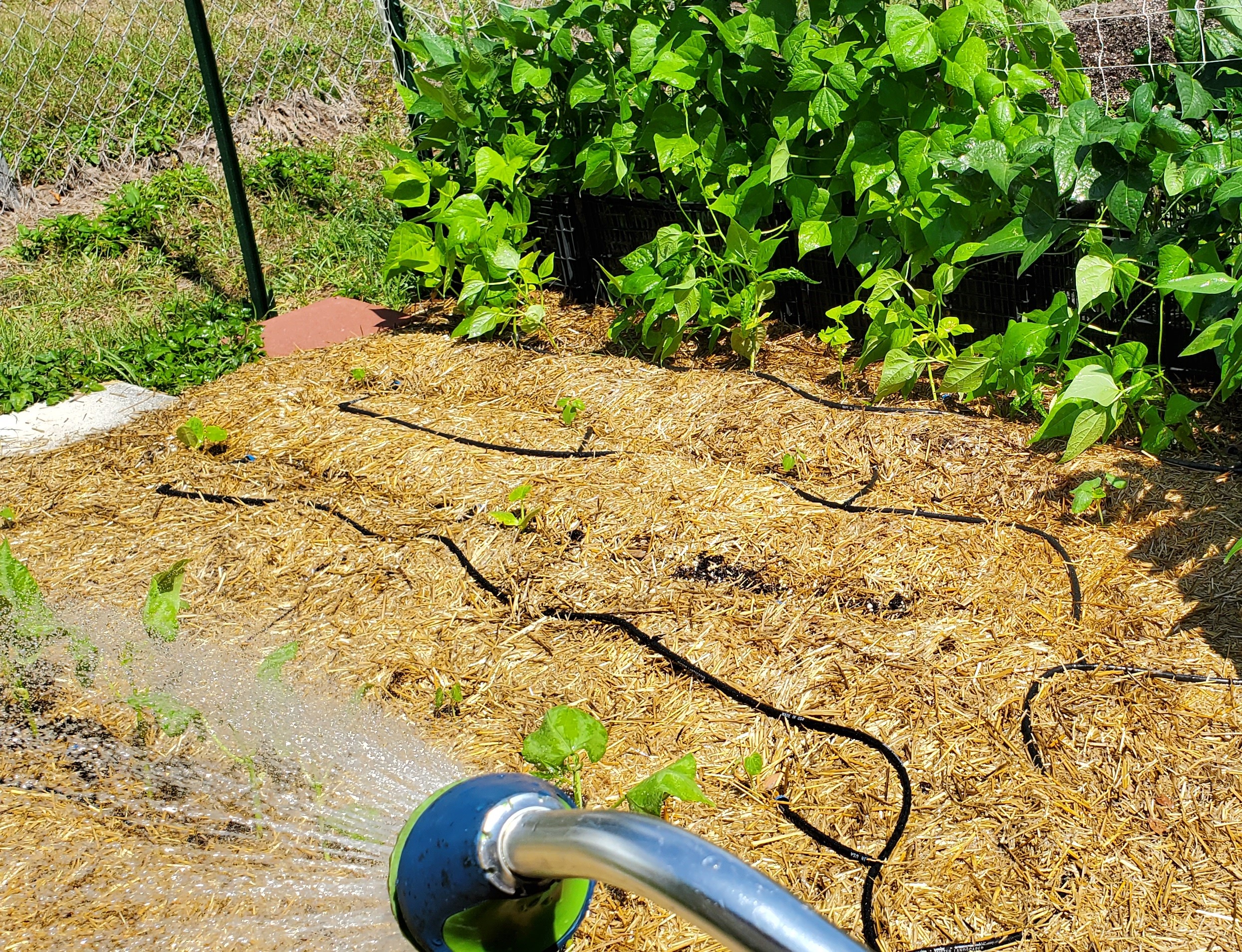
It’s a good practice to get the Word of God washing through your heart every morning. Before the day begins to rush forward, before the demands of others begin to pluck on our nerves – this is when we should be soaking our souls in His Bible, gaining the spiritual nutrients we need for the day ahead.
How well are you watering the Garden of your Heart?
If you’re feeling a bit weak or parched, attacked or stagnant, get your feet wet in the Water of His Word today.
Crofting for Him,
Alesha Kay
Genesis 2:8-9
I love to think of God planting that first garden in Eden. Can’t you just imagine Him bending down, kneeling in the dirt, touching each little seedling as He planted it, talking to it, speaking life to it as He put it into the soil.
When I imagine this scenario, I never see God’s face in my mind’s eye, but I do see His legs and torso. He’s always wearing denim overalls in my imagination! It amuses me that I see the Lord God this way, but only when I think of Him in the Garden.

I can imagine Him humming a little tune as He walked through the rows, touching a leaf here and there, noticing a tiny little pepper popping up or encouraging a butterfly in its work of moving pollen from flower to flower.
It astounds me that the Lord didn’t just speak Eden into existence. He could have. That’s how He accomplished much of Creation during those 6 days. I think it would have been “easier”. We all know, either from experience or from hearing others talk, how much work it is to plant a garden!
And the LORD God planted a garden eastward in Eden; and there he put the man whom he had formed.
Genesis 2:8-9, KJV
And out of the ground made the LORD God to grow every tree that is pleasant to the sight, and good for food; the tree of life also in the midst of the garden, and the tree of knowledge of good and evil.
But verse 8 says “the LORD God planted a garden…” Amazing, right? He actually planned and planted each tiny seedling, plant, tree, vegetable and fruit in that garden. Can you imagine how beautiful it must have been?
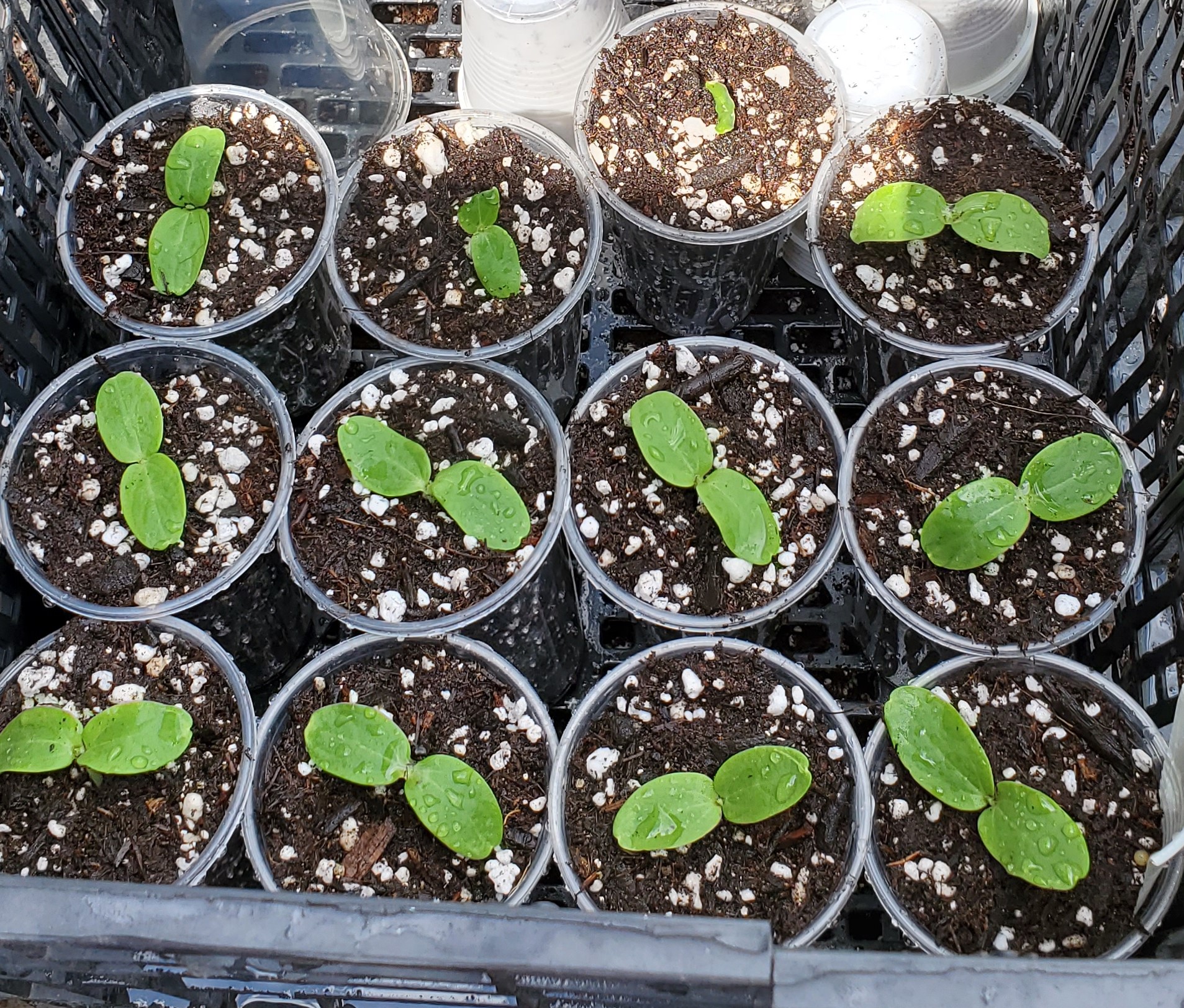
When we think of God as a Gardener, it brings to mind those strengths we commonly attribute to gardeners, farmers and growers. A gardener has a plan. He or she sows seeds in specific places for maximum growth. They wait patiently for plants to sprout, grow and produce. Gardeners are nurturers. They pay close attention to each little plant making sure it has everything it needs to grow well. They prune, water, fertilize and support.
It’s easy to see the parallels of how the Lord takes care of us.
How is the Lord, our Master Gardener, working in your life today?
Spend time listing and thanking Him for His goodness to you. You’ll be amazed how it encourages your heart to recognize how much He cares for you.

In Him,
Alesha Kay
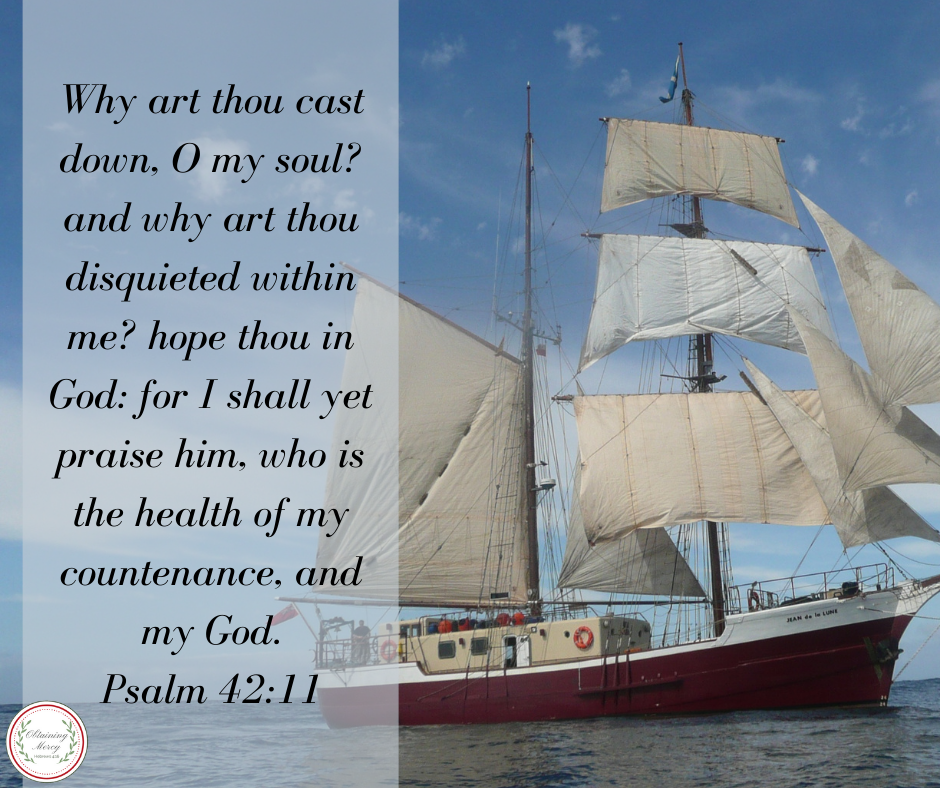
“Distinguish between the fact of God’s presence, and the emotion of the fact…The religious life is not a brooding over emotions, grazing the keel of faith in the shallows, of dragging the anchor of hope through the oozy tide mud as if afraid of encountering the healthy breeze…If we remain groveling on the low ground of feeling and emotion, we shall find ourselves entangled in a thousand meshes of doubt and despondency, temptation and unbelief. Hope thou in God!” ~Streams in the Desert